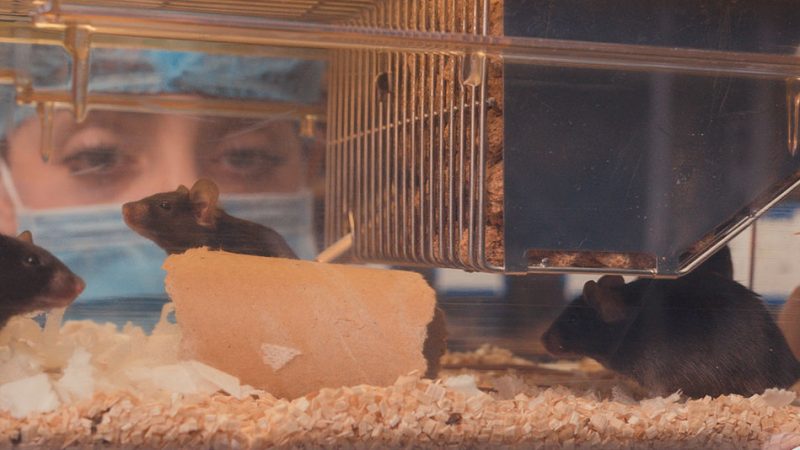
Recognition of pain, suffering and distress | CLAST
This unit prepares individuals to be able to identify normal condition and behaviour of experimental animals and enable them to differentiate between a normal animal and one which is showing […]

This unit prepares individuals to be able to identify normal condition and behaviour of experimental animals and enable them to differentiate between a normal animal and one which is showing […]
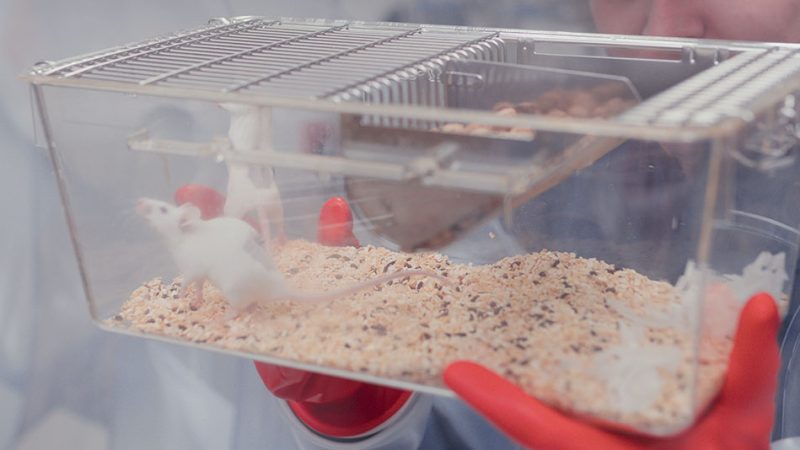
This unit provides information on the use of anaesthetics for surgical procedures. It also includes information on the use of anaesthetics to provide humane restraint during other, non-painful, procedures, such […]
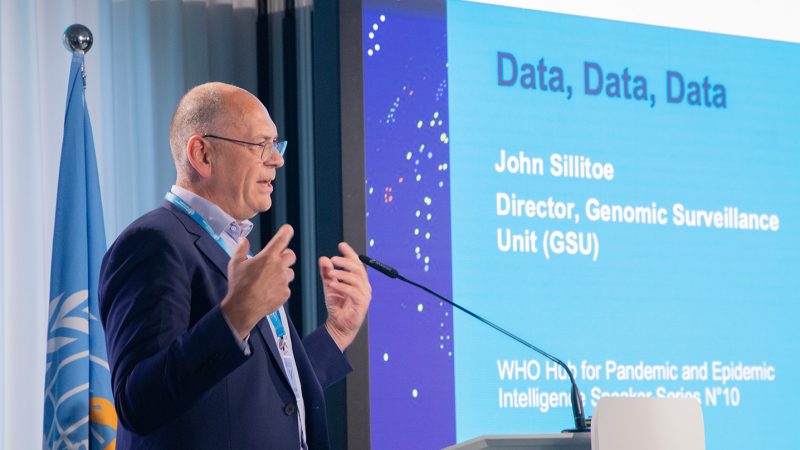
With the World Health Organization (WHO) recently adopting an agreement on pandemic preparedness, we spoke with John Sillitoe, Director of the Sanger Institute’s Genomic Surveillance Unit, to find out more about the role data […]
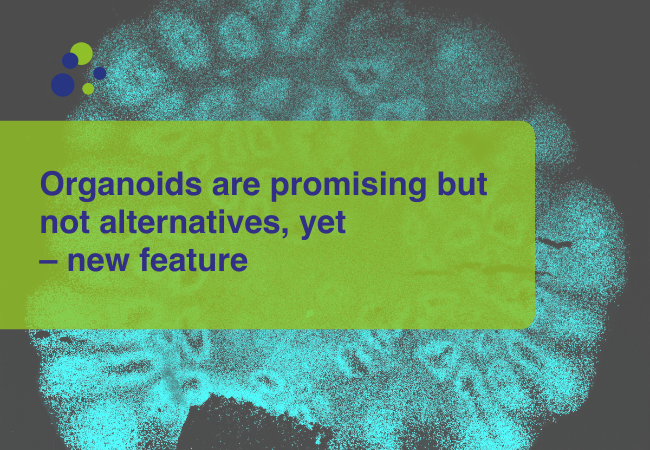
A new feature by EARA Swiss Ambassador, Rémi Cartier, examines the current use and limitations of “organoids” that are becoming a widely used tool in biomedical research but emphasises they […]
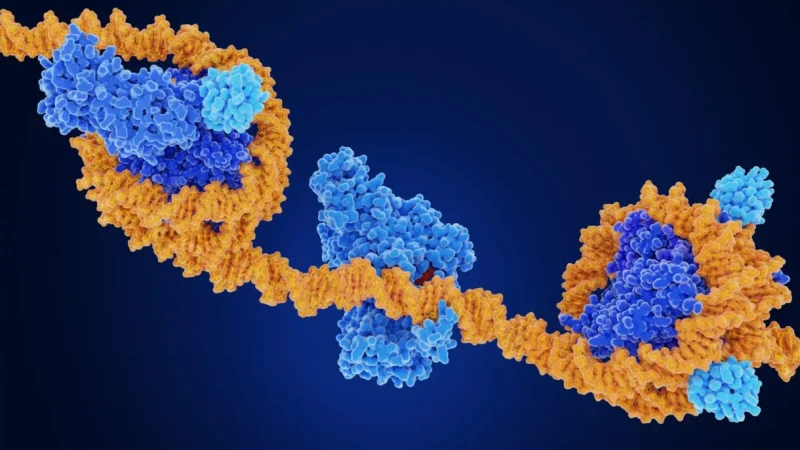
The mysteries of the epiregulome need to be tackled head-on if we are to get new precision treatments for blood cancers says Lisa Russell. Here she takes us through the […]
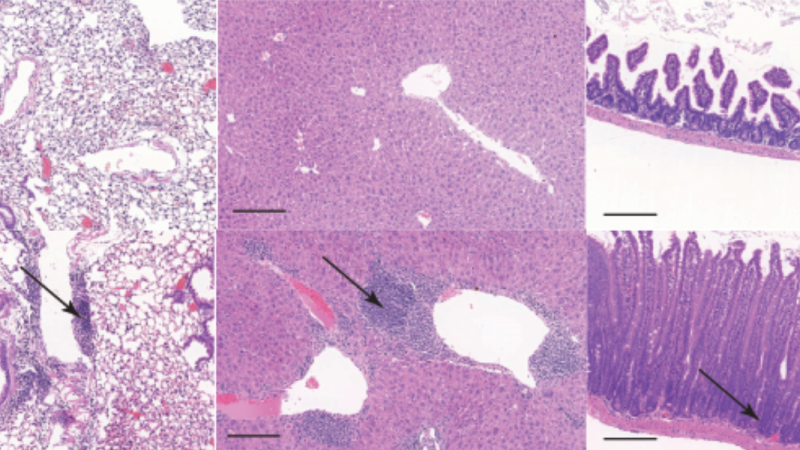
Key points: Immunologists from the Institute have been the first to uncover a role for a family of RNA binding proteins in the function of regulatory T cells in the […]